Buy ninrp.nu ?
We are moving the project
ninrp.nu .
Are you interested in purchasing the domain
ninrp.nu ?
domain@kv-gmbh.de · 0541-91531010
Buy ninrp.nu ?
What tools, materials, and equipment do teachers work with?
Teachers work with a variety of tools, materials, and equipment in their daily work. Some common tools include whiteboards, markers, and projectors for delivering lessons. Materials such as textbooks, worksheets, and manipulatives are used to support student learning. Equipment like computers, printers, and audio-visual devices are also essential for creating engaging lessons and activities. Overall, teachers rely on a combination of traditional and modern tools to effectively educate their students. **
What is intellectual disability?
Intellectual disability is a condition characterized by limitations in intellectual functioning and adaptive behavior. Individuals with intellectual disability may have difficulties with reasoning, problem-solving, and learning new skills. This condition typically manifests before the age of 18 and can vary in severity, with some individuals requiring more support than others to navigate daily life. Support services and interventions are often provided to help individuals with intellectual disability reach their full potential and lead fulfilling lives. **
Similar search terms for Intellectual
Top-Angebote
Products related to Intellectual:




-
What are intellectual hobbies?
Intellectual hobbies are activities that stimulate the mind and engage one's cognitive abilities. These hobbies often involve learning, problem-solving, and critical thinking. Examples of intellectual hobbies include reading, writing, puzzles, chess, and learning a new language. Engaging in intellectual hobbies can provide mental stimulation, enhance cognitive skills, and offer a sense of fulfillment and enjoyment. **
-
With which work tools, materials, and equipment do teachers work?
Teachers work with a variety of tools, materials, and equipment in their daily tasks. Some common tools include computers, projectors, whiteboards, and pens. Materials can range from textbooks and worksheets to art supplies and science equipment. Additionally, teachers may use equipment such as printers, laminators, and document cameras to enhance their teaching methods and create engaging learning experiences for students. **
-
What is an intellectual hobby?
An intellectual hobby is a leisure activity that involves engaging in activities that stimulate the mind and require critical thinking, creativity, and problem-solving skills. These hobbies often involve learning new concepts, exploring complex ideas, or engaging in activities that challenge the intellect. Examples of intellectual hobbies include reading, writing, solving puzzles, playing strategic games, and engaging in philosophical discussions. These hobbies not only provide enjoyment and relaxation but also help to improve cognitive abilities and expand knowledge. **
-
What does intellectual superiority mean?
Intellectual superiority refers to the possession of advanced cognitive abilities, critical thinking skills, and knowledge in comparison to others. It is not just about having a high IQ, but also about being able to apply one's intelligence in a practical and effective manner. Intellectual superiority can manifest in various forms, such as problem-solving, creativity, and the ability to grasp complex concepts quickly. It is important to note that intellectual superiority does not necessarily equate to being better than others as a person, but rather reflects a higher level of intellectual capacity and capability. **


Can intellectual disability be cured?
Intellectual disability is not a condition that can be "cured" in the traditional sense. It is a lifelong condition that affects a person's cognitive abilities and adaptive functioning. However, with appropriate support, individuals with intellectual disabilities can learn new skills, improve their abilities, and lead fulfilling lives. Early intervention, educational support, and access to resources and services can help individuals with intellectual disabilities reach their full potential and lead independent lives to the best of their abilities. It's important to focus on providing the necessary support and accommodations rather than seeking a cure. **
What is intellectual further education?
Intellectual further education refers to the process of continuing to expand one's knowledge and skills beyond formal education. It involves engaging in activities such as attending workshops, seminars, or online courses to deepen understanding in a particular subject area or to acquire new skills. Intellectual further education is a lifelong pursuit that allows individuals to stay current with advancements in their field and to remain intellectually stimulated. It can also lead to personal growth and career advancement. **
Top-Angebote
Products related to Intellectual:
-
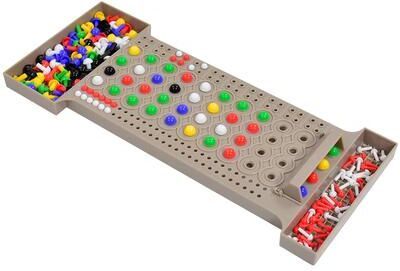
Discount Dollar Deals Childrens Intellectual Development Toy Clever Calculation, Logical Thinking, And Password Cracking Game For Kids Childrens Intellectual Development Toy Clever Calculation, Logical Thinking, And Password Cracking Game For KidsUnlock your child's full potential with this children's intellectual development toy. Designed to engage young minds, this game encourages clever calculation and sharpens logical thinking skills through fun, handson puzzles. Perfect for kids who...34,97 $*Shipping: 0,00 $Secure redirect to the provider
-
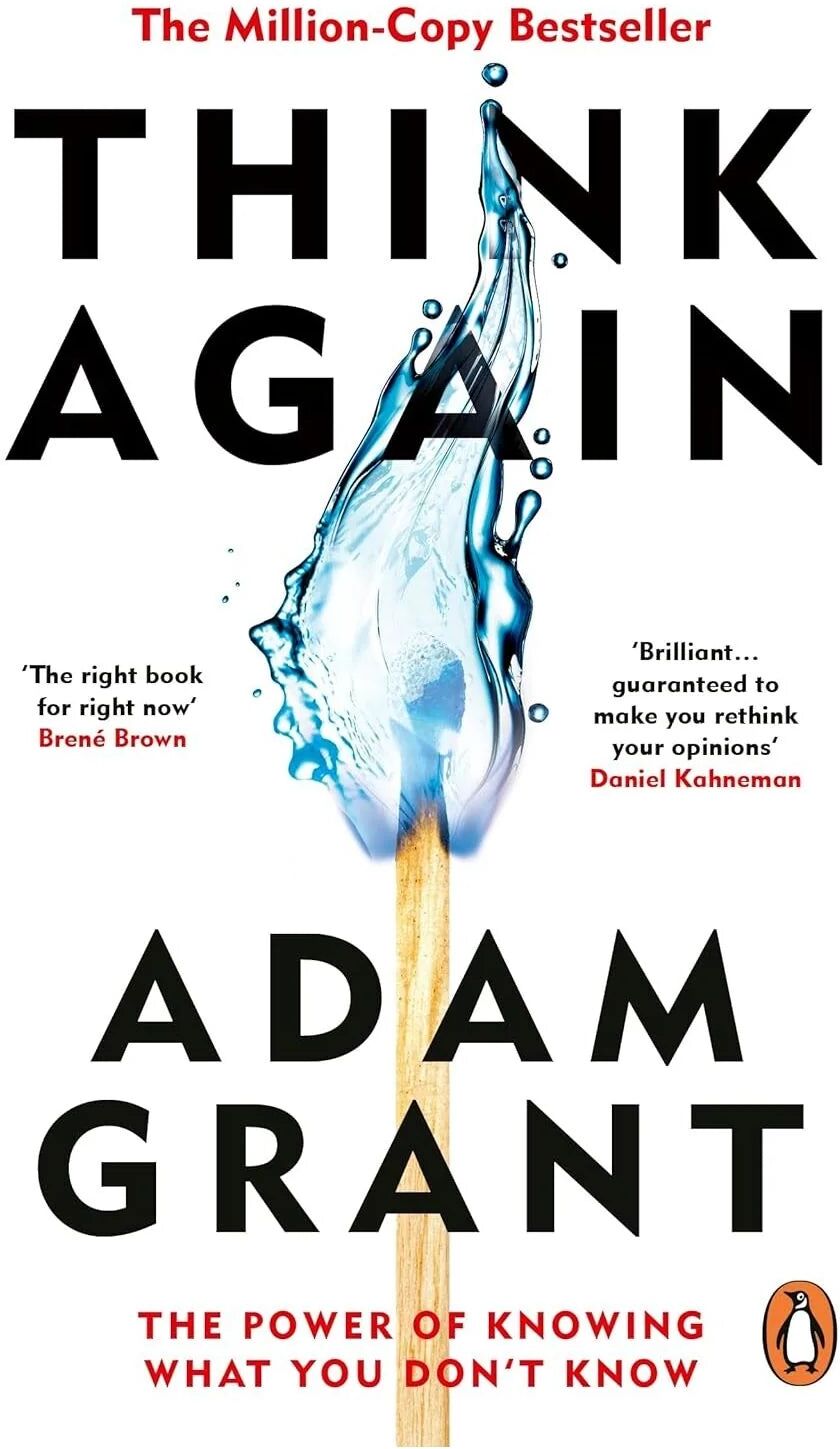
Think Again: The Power of Knowing What You Don't Know by Adam Grant - WH Allen Hardback - #1 NYT Bestseller on Rethinking & Intellectual HumilityThink Again is a million-copy bestselling exploration of the underrated art of rethinking by organisational psychologist Adam Grant. Rather than clinging to opinions formed years ago, Grant argues that the ability to question our own views and update them in light of new evidence is a crucial skill for success in a fast-changing world. This brand new hardback edition is perfect for readers who want to sharpen their thinking, challenge assumptions, and approach life with greater curiosity and humility. In this book, Grant makes the case that intelligence is usually measured by our ability to think and learn, but in a world that changes as fast as ours does, there's an even more valuable skill: the ability to rethink and unlearn. He explores why we so often favour the comfort of conviction over the discomfort of doubt, and how we can cultivate a more open-minded and adaptable approach to life.8,99 £*Shipping: 2,99 £Secure redirect to the provider
-
What tools, materials, and equipment do teachers work with?
Teachers work with a variety of tools, materials, and equipment in their daily work. Some common tools include whiteboards, markers, and projectors for delivering lessons. Materials such as textbooks, worksheets, and manipulatives are used to support student learning. Equipment like computers, printers, and audio-visual devices are also essential for creating engaging lessons and activities. Overall, teachers rely on a combination of traditional and modern tools to effectively educate their students. **
-
What is intellectual disability?
Intellectual disability is a condition characterized by limitations in intellectual functioning and adaptive behavior. Individuals with intellectual disability may have difficulties with reasoning, problem-solving, and learning new skills. This condition typically manifests before the age of 18 and can vary in severity, with some individuals requiring more support than others to navigate daily life. Support services and interventions are often provided to help individuals with intellectual disability reach their full potential and lead fulfilling lives. **
-
What are intellectual hobbies?
Intellectual hobbies are activities that stimulate the mind and engage one's cognitive abilities. These hobbies often involve learning, problem-solving, and critical thinking. Examples of intellectual hobbies include reading, writing, puzzles, chess, and learning a new language. Engaging in intellectual hobbies can provide mental stimulation, enhance cognitive skills, and offer a sense of fulfillment and enjoyment. **
-
With which work tools, materials, and equipment do teachers work?
Teachers work with a variety of tools, materials, and equipment in their daily tasks. Some common tools include computers, projectors, whiteboards, and pens. Materials can range from textbooks and worksheets to art supplies and science equipment. Additionally, teachers may use equipment such as printers, laminators, and document cameras to enhance their teaching methods and create engaging learning experiences for students. **
Similar search terms for Intellectual
-
Stanley Jr Power Tools Set Toy Playset by Red Tool Box - Authentic Design, Durable Materials, Safe for Kids - Toy ToolsUnleash your child's creativity with the Stanley Jr. Power Tools Set, a collection of kid-sized, realistic tools designed for budding builders. This toy set is perfect for imaginative play and comes packaged in a convenient boxed edition. Features include authentic design that mimics real Stanley power tools for realistic play, durable materials built to withstand hours of creative construction, and a focus on safety to ensure worry-free fun. This toy set encourages your child's interest in DIY projects and helps develop essential skills through engaging and educational play.61,52 £*Shipping: 0,00 £Secure redirect to the provider
-
All Categories Goods Heavy Duty Metal Rack, 5 Shelf Steel Shelving, Garage Storage Unit For Tools And Equipment Heavy Duty Metal Rack, 5 Shelf Steel Shelving, Garage Storage Unit For Tools And EquipmentLooking for a 5 Shelf Heavy Duty Metal Rack to organize your garage, home, or office This steel shelving unit is the ultimate storage solution, designed to handle heavy loads while keeping your space neat and tidy. Whether you're storing tools,...149,97 $*Shipping: 0,00 $Secure redirect to the provider
-
What is an intellectual hobby?
An intellectual hobby is a leisure activity that involves engaging in activities that stimulate the mind and require critical thinking, creativity, and problem-solving skills. These hobbies often involve learning new concepts, exploring complex ideas, or engaging in activities that challenge the intellect. Examples of intellectual hobbies include reading, writing, solving puzzles, playing strategic games, and engaging in philosophical discussions. These hobbies not only provide enjoyment and relaxation but also help to improve cognitive abilities and expand knowledge. **
-
What does intellectual superiority mean?
Intellectual superiority refers to the possession of advanced cognitive abilities, critical thinking skills, and knowledge in comparison to others. It is not just about having a high IQ, but also about being able to apply one's intelligence in a practical and effective manner. Intellectual superiority can manifest in various forms, such as problem-solving, creativity, and the ability to grasp complex concepts quickly. It is important to note that intellectual superiority does not necessarily equate to being better than others as a person, but rather reflects a higher level of intellectual capacity and capability. **
-
Can intellectual disability be cured?
Intellectual disability is not a condition that can be "cured" in the traditional sense. It is a lifelong condition that affects a person's cognitive abilities and adaptive functioning. However, with appropriate support, individuals with intellectual disabilities can learn new skills, improve their abilities, and lead fulfilling lives. Early intervention, educational support, and access to resources and services can help individuals with intellectual disabilities reach their full potential and lead independent lives to the best of their abilities. It's important to focus on providing the necessary support and accommodations rather than seeking a cure. **
-
What is intellectual further education?
Intellectual further education refers to the process of continuing to expand one's knowledge and skills beyond formal education. It involves engaging in activities such as attending workshops, seminars, or online courses to deepen understanding in a particular subject area or to acquire new skills. Intellectual further education is a lifelong pursuit that allows individuals to stay current with advancements in their field and to remain intellectually stimulated. It can also lead to personal growth and career advancement. **
* All prices are inclusive of VAT and, if applicable, plus shipping costs. The offer information is based on the details provided by the respective shop and is updated through automated processes. Real-time updates do not occur, so deviations can occur in individual cases. ** Note: Parts of this content were created by AI.