Buy ninrp.nu ?
We are moving the project
ninrp.nu .
Are you interested in purchasing the domain
ninrp.nu ?
domain@kv-gmbh.de · 0541-91531010
Buy ninrp.nu ?
Is the short story fictional or non-fictional?
The short story is fictional. It is a work of fiction that tells a made-up story, often involving characters, events, and settings that are not real. Fictional stories are created by the author's imagination and are not based on real events or people. **
What tools, materials, and equipment do teachers work with?
Teachers work with a variety of tools, materials, and equipment in their daily work. Some common tools include whiteboards, markers, and projectors for delivering lessons. Materials such as textbooks, worksheets, and manipulatives are used to support student learning. Equipment like computers, printers, and audio-visual devices are also essential for creating engaging lessons and activities. Overall, teachers rely on a combination of traditional and modern tools to effectively educate their students. **

Similar search terms for Fictional
Top-Angebote
Products related to Fictional:
-
Stanley Jr Power Tools Set Toy Playset by Red Tool Box - Authentic Design, Durable Materials, Safe for Kids - Toy ToolsUnleash your child's creativity with the Stanley Jr. Power Tools Set, a collection of kid-sized, realistic tools designed for budding builders. This toy set is perfect for imaginative play and comes packaged in a convenient boxed edition. Features include authentic design that mimics real Stanley power tools for realistic play, durable materials built to withstand hours of creative construction, and a focus on safety to ensure worry-free fun. This toy set encourages your child's interest in DIY projects and helps develop essential skills through engaging and educational play.61,52 £*Shipping: 0,00 £Secure redirect to the provider
-
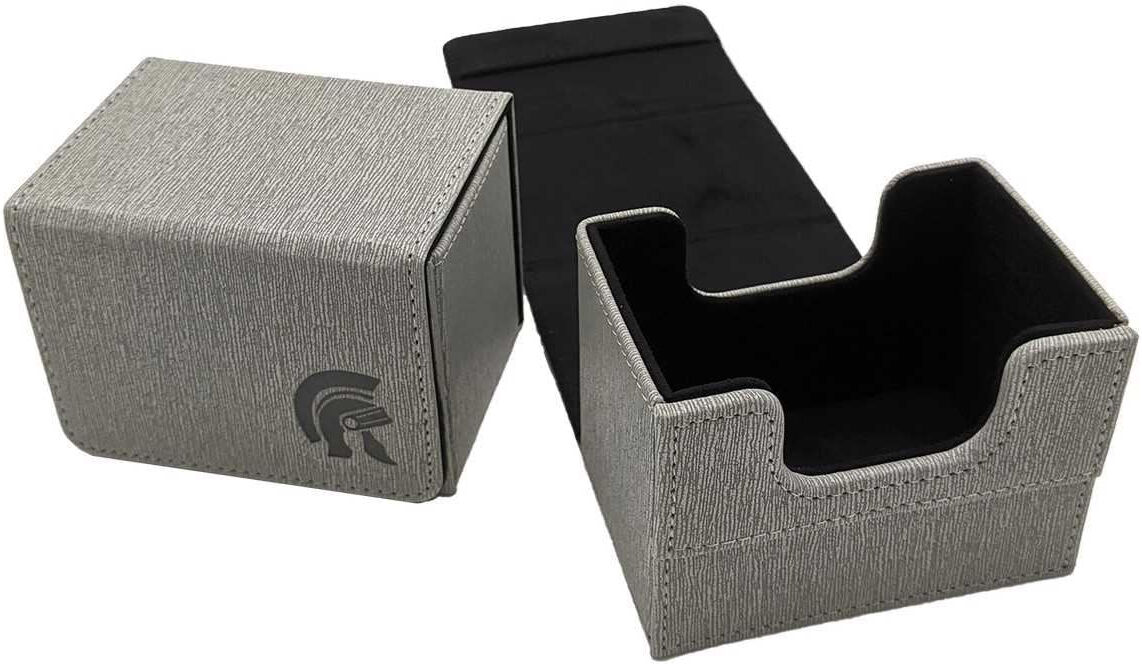
Legion Supplies Legion Sentinel Deck Box 80 - Grey - Card Game AccessoriesProtect your trading card deck with the Legion Sentinel Deck Box 80. This grey deck box is designed to hold up to 80 double-sleeved cards, making it perfect for storing a complete deck and keeping cards together between games or during transport. The durable textured vinyl outer cover provides a sturdy layer of protection, while the soft, smooth interior helps prevent cards and sleeves from catching as they are placed inside or removed. A strong magnetic lid with a stepped closure helps keep the box securely shut and reduces the chance of the lid sliding open. The compact design features easy-grip cut-outs, making it simpler to lift cards from the box when you're ready to play. The Legion Sentinel Deck Box 80 is suitable for tabletop gaming collections, whether used at home, at events, or alongside other deck boxes.15,99 £*Shipping: 3,95 £Secure redirect to the provider
-
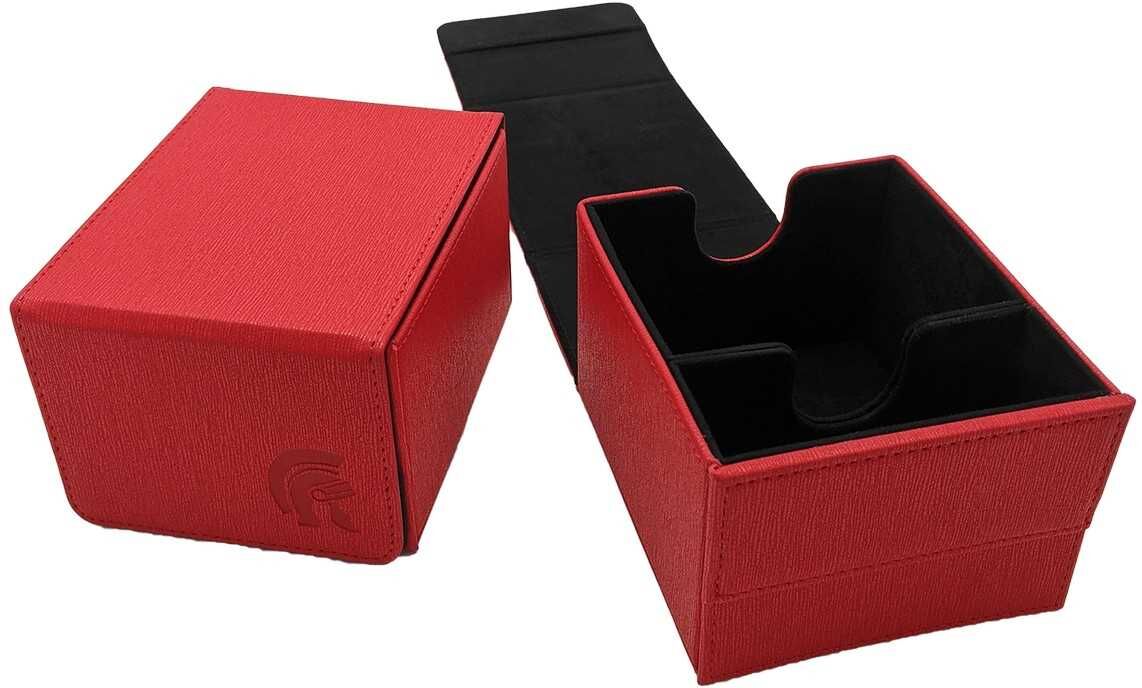
Legion Supplies Legion Sentinel Deck Box 80 - Red - Card Game AccessoriesProtect your card collection with the Legion Sentinel Deck Box 80 in red. This compact deck box is designed for trading card games and other standard-sized card collections, keeping your cards together and protected between games. It holds up to 80 double-sleeved cards, making it suitable for organized play and everyday deck storage. The durable textured vinyl exterior is designed for regular handling, while the soft, smooth interior helps prevent snagging on card sleeves. A strong magnetic lid with a stepped closure ensures the box stays shut, and easy-grip cut-outs provide convenient card access. The compact format makes it easy to store and transport your deck, and the red finish makes it easy to identify in a collection.15,99 £*Shipping: 3,95 £Secure redirect to the provider


-
What is the difference between fictional and non-fictional texts?
Fictional texts are narratives that are created from the author's imagination and are not based on real events or people. They often include elements of storytelling, such as characters, plot, and setting. Non-fictional texts, on the other hand, are based on real events, people, and information. They are meant to inform or educate the reader about a particular topic, and are often written in a more straightforward and factual style. Overall, the key difference between the two is that fictional texts are made-up stories, while non-fictional texts are based on real-life events and information. **
-
With which work tools, materials, and equipment do teachers work?
Teachers work with a variety of tools, materials, and equipment in their daily tasks. Some common tools include computers, projectors, whiteboards, and pens. Materials can range from textbooks and worksheets to art supplies and science equipment. Additionally, teachers may use equipment such as printers, laminators, and document cameras to enhance their teaching methods and create engaging learning experiences for students. **
-
What are fictional places?
Fictional places are locations that are created within works of fiction, such as books, movies, or television shows. These places do not exist in the real world, but are imagined by the author or creator of the work. They can range from fantastical realms like Narnia or Middle-earth to more realistic settings like the town of Maycomb in "To Kill a Mockingbird." Fictional places serve as the backdrop for the story and often play a significant role in shaping the narrative and the characters' experiences. **
-
What are fictional elements?
Fictional elements are the imaginative and made-up components that contribute to the creation of a fictional story or world. These elements can include characters, settings, events, and objects that do not exist in reality but are essential to the narrative. Fictional elements allow authors to create unique and captivating stories that transport readers to new and fantastical worlds. They are a key aspect of fiction and play a crucial role in engaging the audience and bringing the story to life. **


What are some name ideas for a fictional country and a fictional city?
For a fictional country, some name ideas could be "Aurora" to evoke a sense of beauty and wonder, "Veridian" to convey a lush, green landscape, or "Novaria" to suggest a new and innovative society. For a fictional city, names like "Elysium" could imply a paradise-like setting, "Havenbrook" to suggest a safe and welcoming community, or "Aurelia" to convey a sense of prosperity and golden opportunities. These names can help set the tone and atmosphere for the fictional world you are creating. **
What are my fictional characters?
Your fictional characters are the individuals you have created in your stories, novels, or other forms of writing. They are the personalities that drive the plot forward, each with their own unique traits, motivations, and backstories. These characters can be heroes, villains, sidekicks, or any other role you have envisioned for them, and they play a crucial role in bringing your stories to life and engaging your readers. **
Top-Angebote
Products related to Fictional:
-
Stanley Jr Power Tools Set Toy Playset by Red Tool Box - Authentic Design, Durable Materials, Safe for Kids - Toy ToolsUnleash your child's creativity with the Stanley Jr. Power Tools Set, a collection of kid-sized, realistic tools designed for budding builders. This toy set is perfect for imaginative play and comes packaged in a convenient boxed edition. Features include authentic design that mimics real Stanley power tools for realistic play, durable materials built to withstand hours of creative construction, and a focus on safety to ensure worry-free fun. This toy set encourages your child's interest in DIY projects and helps develop essential skills through engaging and educational play.61,52 £*Shipping: 0,00 £Secure redirect to the provider
-
Is the short story fictional or non-fictional?
The short story is fictional. It is a work of fiction that tells a made-up story, often involving characters, events, and settings that are not real. Fictional stories are created by the author's imagination and are not based on real events or people. **
-
What tools, materials, and equipment do teachers work with?
Teachers work with a variety of tools, materials, and equipment in their daily work. Some common tools include whiteboards, markers, and projectors for delivering lessons. Materials such as textbooks, worksheets, and manipulatives are used to support student learning. Equipment like computers, printers, and audio-visual devices are also essential for creating engaging lessons and activities. Overall, teachers rely on a combination of traditional and modern tools to effectively educate their students. **
-
What is the difference between fictional and non-fictional texts?
Fictional texts are narratives that are created from the author's imagination and are not based on real events or people. They often include elements of storytelling, such as characters, plot, and setting. Non-fictional texts, on the other hand, are based on real events, people, and information. They are meant to inform or educate the reader about a particular topic, and are often written in a more straightforward and factual style. Overall, the key difference between the two is that fictional texts are made-up stories, while non-fictional texts are based on real-life events and information. **
-
With which work tools, materials, and equipment do teachers work?
Teachers work with a variety of tools, materials, and equipment in their daily tasks. Some common tools include computers, projectors, whiteboards, and pens. Materials can range from textbooks and worksheets to art supplies and science equipment. Additionally, teachers may use equipment such as printers, laminators, and document cameras to enhance their teaching methods and create engaging learning experiences for students. **
Similar search terms for Fictional
-
Legion Supplies Legion Sentinel Deck Box 80 - Grey - Card Game AccessoriesProtect your trading card deck with the Legion Sentinel Deck Box 80. This grey deck box is designed to hold up to 80 double-sleeved cards, making it perfect for storing a complete deck and keeping cards together between games or during transport. The durable textured vinyl outer cover provides a sturdy layer of protection, while the soft, smooth interior helps prevent cards and sleeves from catching as they are placed inside or removed. A strong magnetic lid with a stepped closure helps keep the box securely shut and reduces the chance of the lid sliding open. The compact design features easy-grip cut-outs, making it simpler to lift cards from the box when you're ready to play. The Legion Sentinel Deck Box 80 is suitable for tabletop gaming collections, whether used at home, at events, or alongside other deck boxes.15,99 £*Shipping: 3,95 £Secure redirect to the provider
-
Legion Supplies Legion Sentinel Deck Box 80 - Red - Card Game AccessoriesProtect your card collection with the Legion Sentinel Deck Box 80 in red. This compact deck box is designed for trading card games and other standard-sized card collections, keeping your cards together and protected between games. It holds up to 80 double-sleeved cards, making it suitable for organized play and everyday deck storage. The durable textured vinyl exterior is designed for regular handling, while the soft, smooth interior helps prevent snagging on card sleeves. A strong magnetic lid with a stepped closure ensures the box stays shut, and easy-grip cut-outs provide convenient card access. The compact format makes it easy to store and transport your deck, and the red finish makes it easy to identify in a collection.15,99 £*Shipping: 3,95 £Secure redirect to the provider
-
Legion Supplies Legion Sentinel Deck Box 80 - Green - Card Game AccessoriesProtect your trading-card deck with the Legion Sentinel Deck Box 80 in green. Its durable textured vinyl exterior helps shield cards from everyday knocks while the soft interior is gentle on cards and sleeves. Holds up to 80 double-sleeved cards for organized play. Magnetic lid with stepped closure keeps the box securely shut. Wraparound design provides protection around the deck. Easy-grip cut-outs at the front for quick card access.15,99 £*Shipping: 3,95 £Secure redirect to the provider
-
Legion Supplies Legion Sentinel Deck Box 100 - Grey - Card Game AccessoriesProtect your trading card deck with the Legion Sentinel Deck Box 100 in grey. This durable deck box combines a textured vinyl exterior with a smooth interior to help protect card sleeves during storage and handling. It can hold up to 100 double-sleeved cards, making it suitable for many standard-sized trading card decks. The magnetic lid features a stepped closure to prevent the cover from sliding open, while the front cut-outs provide a firm grip when removing your deck. The compact format allows for organised deck storage, making it a practical choice for protecting a frequently played deck at home, during events, or while travelling.17,99 £*Shipping: 3,95 £Secure redirect to the provider
-
What are fictional places?
Fictional places are locations that are created within works of fiction, such as books, movies, or television shows. These places do not exist in the real world, but are imagined by the author or creator of the work. They can range from fantastical realms like Narnia or Middle-earth to more realistic settings like the town of Maycomb in "To Kill a Mockingbird." Fictional places serve as the backdrop for the story and often play a significant role in shaping the narrative and the characters' experiences. **
-
What are fictional elements?
Fictional elements are the imaginative and made-up components that contribute to the creation of a fictional story or world. These elements can include characters, settings, events, and objects that do not exist in reality but are essential to the narrative. Fictional elements allow authors to create unique and captivating stories that transport readers to new and fantastical worlds. They are a key aspect of fiction and play a crucial role in engaging the audience and bringing the story to life. **
-
What are some name ideas for a fictional country and a fictional city?
For a fictional country, some name ideas could be "Aurora" to evoke a sense of beauty and wonder, "Veridian" to convey a lush, green landscape, or "Novaria" to suggest a new and innovative society. For a fictional city, names like "Elysium" could imply a paradise-like setting, "Havenbrook" to suggest a safe and welcoming community, or "Aurelia" to convey a sense of prosperity and golden opportunities. These names can help set the tone and atmosphere for the fictional world you are creating. **
-
What are my fictional characters?
Your fictional characters are the individuals you have created in your stories, novels, or other forms of writing. They are the personalities that drive the plot forward, each with their own unique traits, motivations, and backstories. These characters can be heroes, villains, sidekicks, or any other role you have envisioned for them, and they play a crucial role in bringing your stories to life and engaging your readers. **
* All prices are inclusive of VAT and, if applicable, plus shipping costs. The offer information is based on the details provided by the respective shop and is updated through automated processes. Real-time updates do not occur, so deviations can occur in individual cases. ** Note: Parts of this content were created by AI.